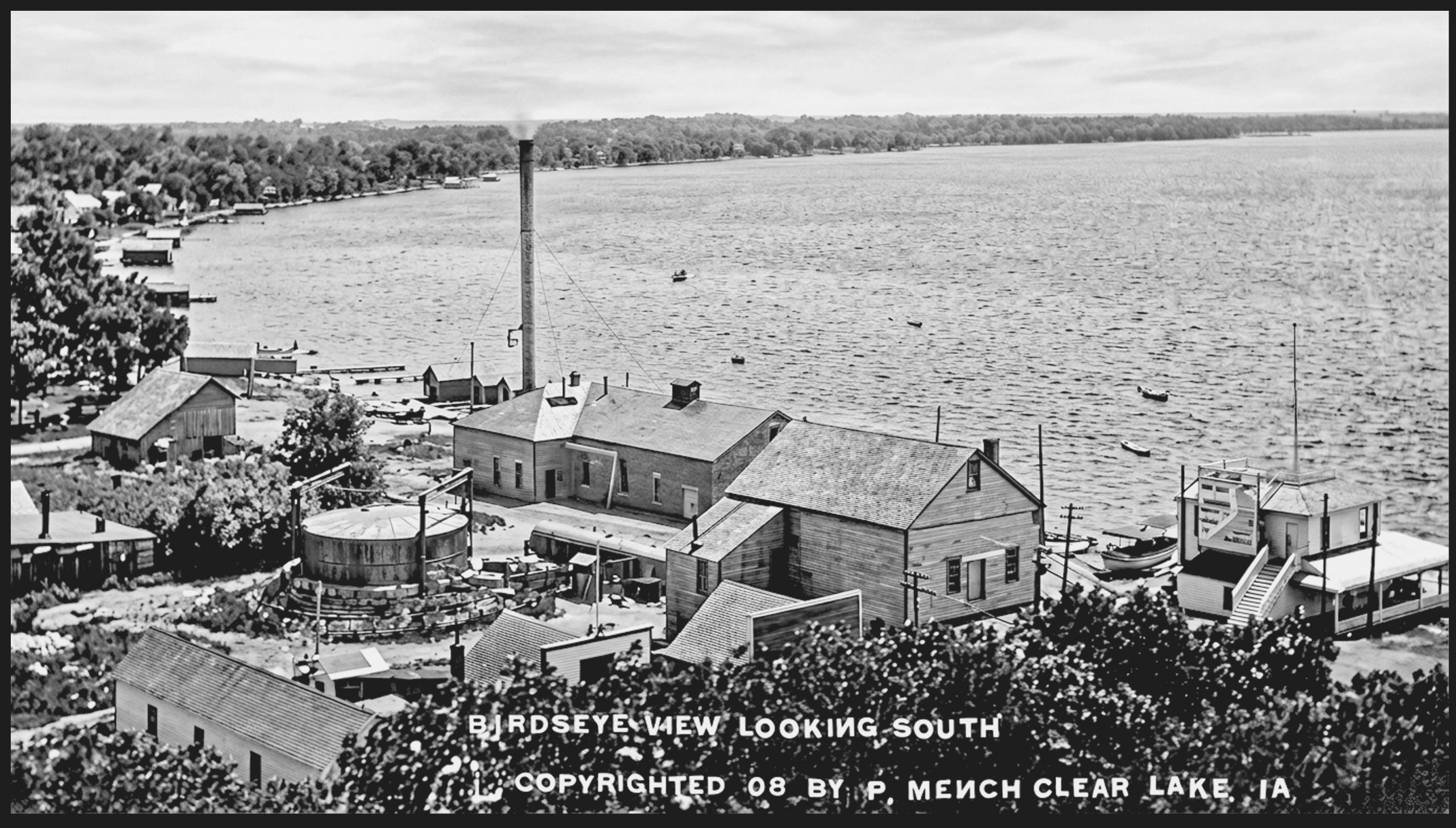
The rapid growth of Clear Lake in the late 19th century was supported by significant investments in infrastructure, transforming Clear Lake from a modest settlement to a thriving hub for tourism and commerce. These investments laid the foundation for the city’s continuing growth and modern amenities. The development of central utility systems that provided essential services such as electrical, gas, water/sewer and communications to homes and businesses were financed through a combination of public and private funding. The concurrent improvement of transportation systems of rail, city and county streets and roads improved the movement of people and products
Transportation Systems
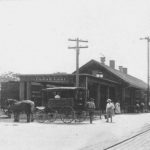 Clear Lake emerged as an attractive destination in the 1860’s; however, the expansion of commerce and tourism was constrained by the lack of transportation options. In 1870, the McGregor and Missouri River Railroad connected Clear Lake to national railroads through a connection in Nora Springs. The Chicago, Milwaukee and St. Paul Railroad purchased the McGregor Line in 1872 providing rail twice daily connections to Mason City and routes to the East.
In 1898, the owners of the Oaks Hotel, working with W E Brice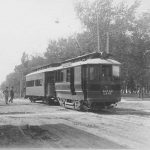 and L A Ong developed the Mason City and Clear Lake Interurban Rail line to improve transportation for visitors to their properties. The new interurban provided hourly service between the two cities transporting both passengers and freight from downtown to downtown. As automobile ownership increased, in 1914, the road between Mason City and Clear Lake was paved using concrete from the Mason City cement plants, becoming one of Iowa’s first interurban all-weather roads. Following the success of the interurban paving, the City began a program to pave city streets.
As longer distance automobile travel increased, travel routes were identified and guide books were published to provide directions to travelers. The route between Mason City, Clear Lake and Ventura was included in regional highway promotions including the Atlantic, Yellowstone, Pacific Highway society formed in September 1923. That route along the current 7 th Ave and North Shore Drive became part of the Iowa State Highway 18.
As gas powered automobiles and trucks increased, transportation moved from rails to roadways. Milwaukee Rail passenger service ended in 1948, the Mason City-Clear Lake Interurban passenger service ended in 1936, and freight service ended in 1964. The urban route of Highway 18 traveled along current 7 th Avenue to North Shore Drive along the lake to Ventura.
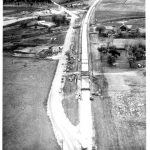 To support increased traffic after WWII the State Highway department designed a new Highway 18 adjacent to the Milwaukee Railroad on the north edge of town which opened in 1954. As part of the 1950 Interstate Act, Interstate 35, linking Minneapolis/St. Paul with Des Moines was designed. The section from Clear Lake to Minneapolis/St. Paul opened in 1973, the southern leg to Des Moines in 1976 due to the disputed “diagonal” route between Webster City and Hampton
Communication Systems
The railroad expansion brought Western Union telegraph services and daily trains brought mail directly to the city, replacing weekly deliveries via stage coach from Cedar Falls. Within 2 years after Alexander Bell patented the telephone system in 1876, Clear Lake had a local telephone exchange connecting about 30 local businesses and homes. The exchange was housed in the rear of the JB Patterson Jewelry Store and operated by the Patterson family. As demand for telephone service expanded, local businessmen established the Clear Lake Independent Telephone Company in 1895.
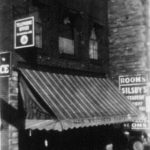 The Clear Lake Independent Telephone company was able avoid the consolidation efforts of the regional Bell systems. CL Tel gathered rural subscribers and small surrounding towns into their network. The CL Tel switchboard moved from the Patterson building to the second floor of 403 Main (currently Shipboard Market) in 1900.
A greatly enlarged facility opened at 200 N 4 th street in 1955, with direct dial service, replacing operator assisted calls and party lines. CL Tel maintained pace with evolving telecommunication industry adding phone features, internet service, cable television and high speed fiber cabling.
Electrical Systems
Edison and Westinghouse’s advancements in large-scale electrical generation allowed communities to develop local electrical generation to power equipment and lighting for homes and street lights. In the early 1890s, local businessmen, led by John Etzel, formed the Clear Lake Light and Power Company to build an electrical plant near the Milwaukee Railroad station to access coal delivery. With the City’s decision to develop a water pumping station downtown on the lake front and the planned Interurban Rail that could deliver coal downtown, Clear Lake Light and Power proposed building their plant next to the water plant, reducing water plant costs and guaranteeing a steady income from the city’s power purchases.
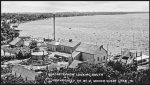 In June 1893, the City accepted Clear Lake Light and Power’s proposal, granting them a lease on lakefront property and a 25 year monopoly on electrical utility services, with the condition that the system be operational within 12 months. The plant was operational by March 1894, powering new electric streetlights and the water pumping plant. The plant enlarged compacity twice but in 1916, the company began purchasing power from Mason City’s People’s Gas and Electric Company to meet the expanded demand rather than further enlarge the plant.
In 1929, Consolidated Power Company purchased the assets of Clear Lake Light and Power and the Clear Lake generation facilities were demolished in 1931.
Manufactured Gas Systems
In the early 1900s, small acetylene gas fired heating units began to replace coal fired units for businesses and homes. A local businessmen’s group led by S. A. Clausen approached the City requesting a concession to build and operate a central manufactured gas plant and distribution system. Soon after, the officers of the Clear Lake Electric Light and Power submitted a similar request. The City Council decided to hold a public vote in May 1905 to approve the granting of a concession and approving providers of gas services. The election rules required a company to receive a majority of approval votes to be considered by the Council. The Clausen group campaigned actively and received a 70% approval while the Electric Light and Power company, which had an economic advantage with the power plant infrastructure in place, did not campaign significantly but still was approved with a 51% yes vote. After the vote, the Clausen group dropped their proposal, and the City awarded the concession to Electric Light and Power in June 1906.
The new plant created gas through a gasification process combining coal and steam to create coal gas. A new plant with a reactor vessel, large gas storage tank, and pumps was constructed next to the power plant. The by-products of the process included coal tar, a type of creosote, and ammonia. These by-products were disposed of on-site and with some discharged into the lake. Within a few years, the City complained about the by-products contaminating the city drinking water. A major spill in 1923 fouled Clear Lake from downtown to the outlet.
The Clear Lake Electric Power and Light Company and Gas Works was sold to Central West Public Service Company in 1929. The Clear Lake assets were then sold to People’s Gas and Electric Company in 1930 and they constructed a pipeline from Mason City to allow the closure of the Clear Lake gas plant. Mason City and Clear Lake were the first in the area in 1933 to connect to the new natural gas pipeline transporting Texas natural gas to northern states. PGE maintained an office and store in Main Street until 1958 when they were purchased by Interstate Power by Interstate Power which later was consolidated with other regional utility companies into Aliant Energy.
Water Systems
In the early 1890s the City Council proposed a public water utility. The planned water plant would be located on the lakefront just south of Main Street, drawing water from the lake. In March1893, the City voters approved a bond issue to build a water plant and distribution system. The proposed plant included a small electrical generation system to power the water pumps and other equipment which was incorporated in the new Clear Lake Power and Light plant. The combination of the Clear Lake Power and Light generating plant the water plants were constructed concurrently and were operational in March 1894.
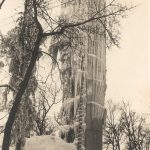 The primary impetus for a central water plant and distribution system was to provide pressurized fire hydrants for fire fighting to protect the wooden structures. By 1900, a 75,000 gallon stand pipe located in the central park was operational, providing steady pressure and water flow in the system as the water piping was extended to homes and businesses throughout the city.
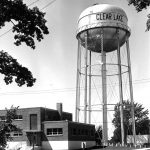 As the city expanded, the 75,000 gallon water tower in the downtown park could not sustain adequate volume or pressure to service the city. Also, the State required the City stop drawing water from the lake and pump from deep wells. In 1950 a new water treatment plant was constructed at the site of the CL Power and Light gas plant. The project required significant remediation work to remove the contaminated waste of the gasification plant. As part of the new water plant project, a new 200,000 gallon water tower was constructed next to the water plant to meet the needs of the city. Two additional 200,000 gallon tanks were erected in 1980 on the north and south shore. In 2009, a 1 million gallon tank was erected at South 24th street and 12th Ave S to serve the growth on the eastern part of the city. The iconic downtown water tank was demolished in 2013 and replaced with a 1 million gallon tank at 1814 Highway 18.
Sanitary Sewer System
As businesses, hotels and homeowners gained access to city water and indoor plumbing, there was a need for a centralized sanitary sewer system to replace the cesspools that collected the discharge from indoor plumbing around the city. In 1909 City contracted for the construction of a central septic system and 21,000 feet of sewer line. A sewer treatment plant was constructed in 1926 located south of the railroad tracks at 20 th street. Sanitary sewers were extended to homes and businesses as the city grew.
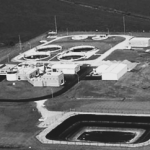 As the housing around the lake increased and more homes became year round, the runoff from septic tanks into the lake led to the creation of the Clear Lake Regional Sanitary District in 1950. In 1952 the District completed a new central sanitary treatment plant on the south side of the lake and built a network of sanitary sewers and pumping stations around the lake replacing individual septic tanks with sanitary sewers. Sewer lines were installed under the lake from the north shore to the new plant to meet increasing growth. The treatment plant was expanded in 1985 and 2023 to meet the needs.
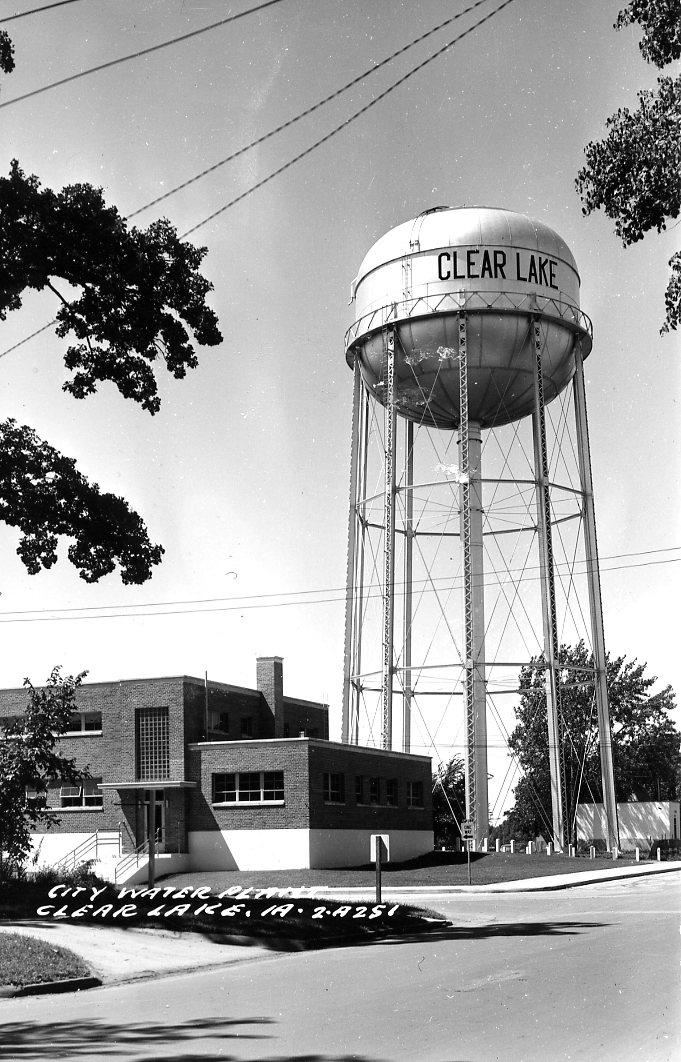
Downtown Water Tower
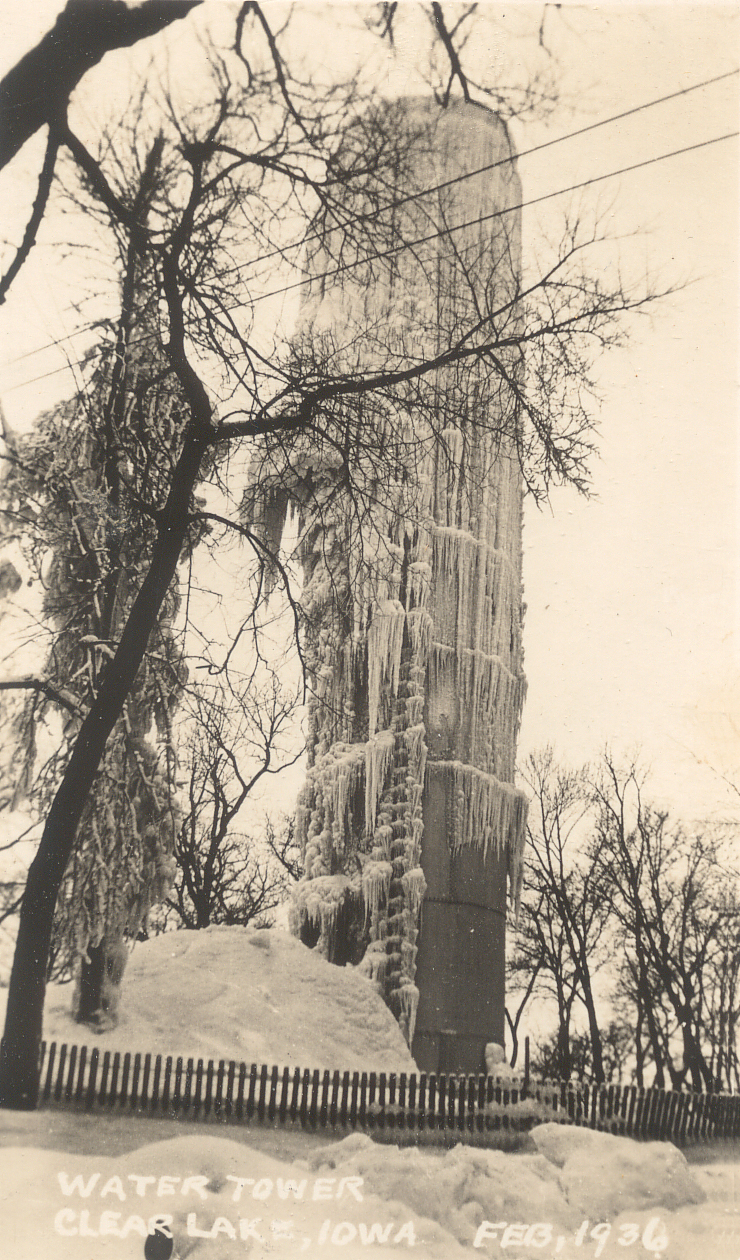
1936 Frozen Water Tower
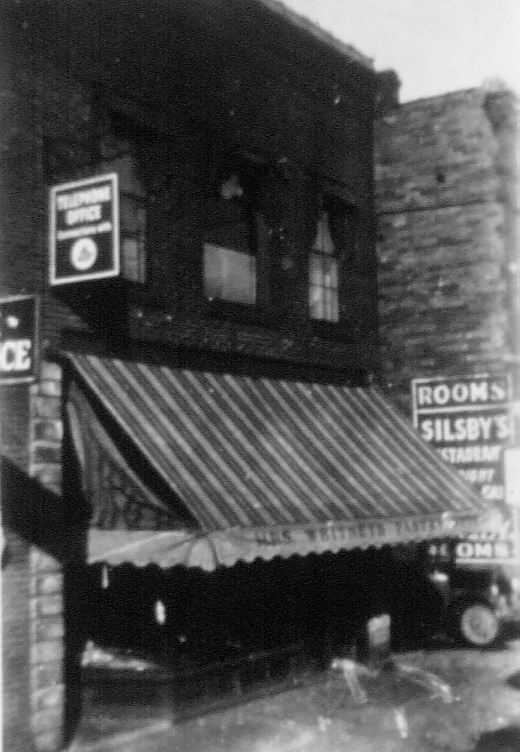
C L Telephone Co. 1910
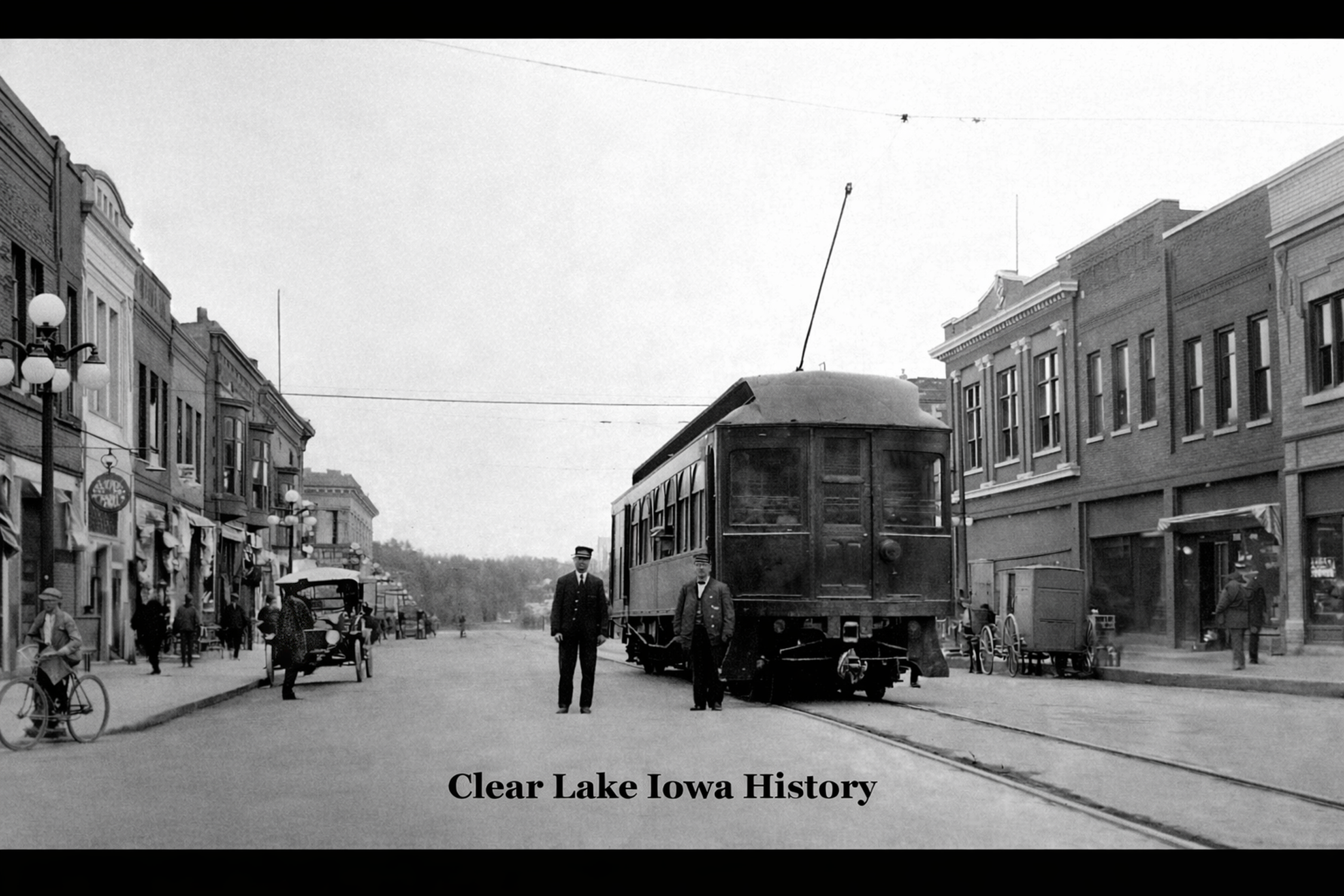
Main St Trolley 1905
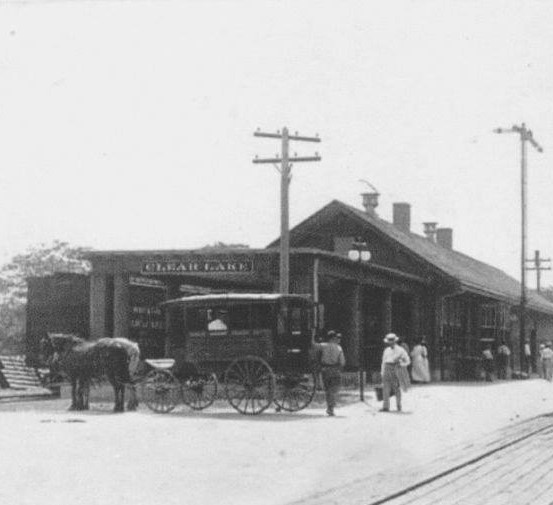
rail depot 1900
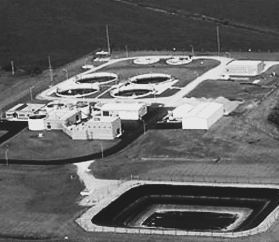
CL Regional Sanitary
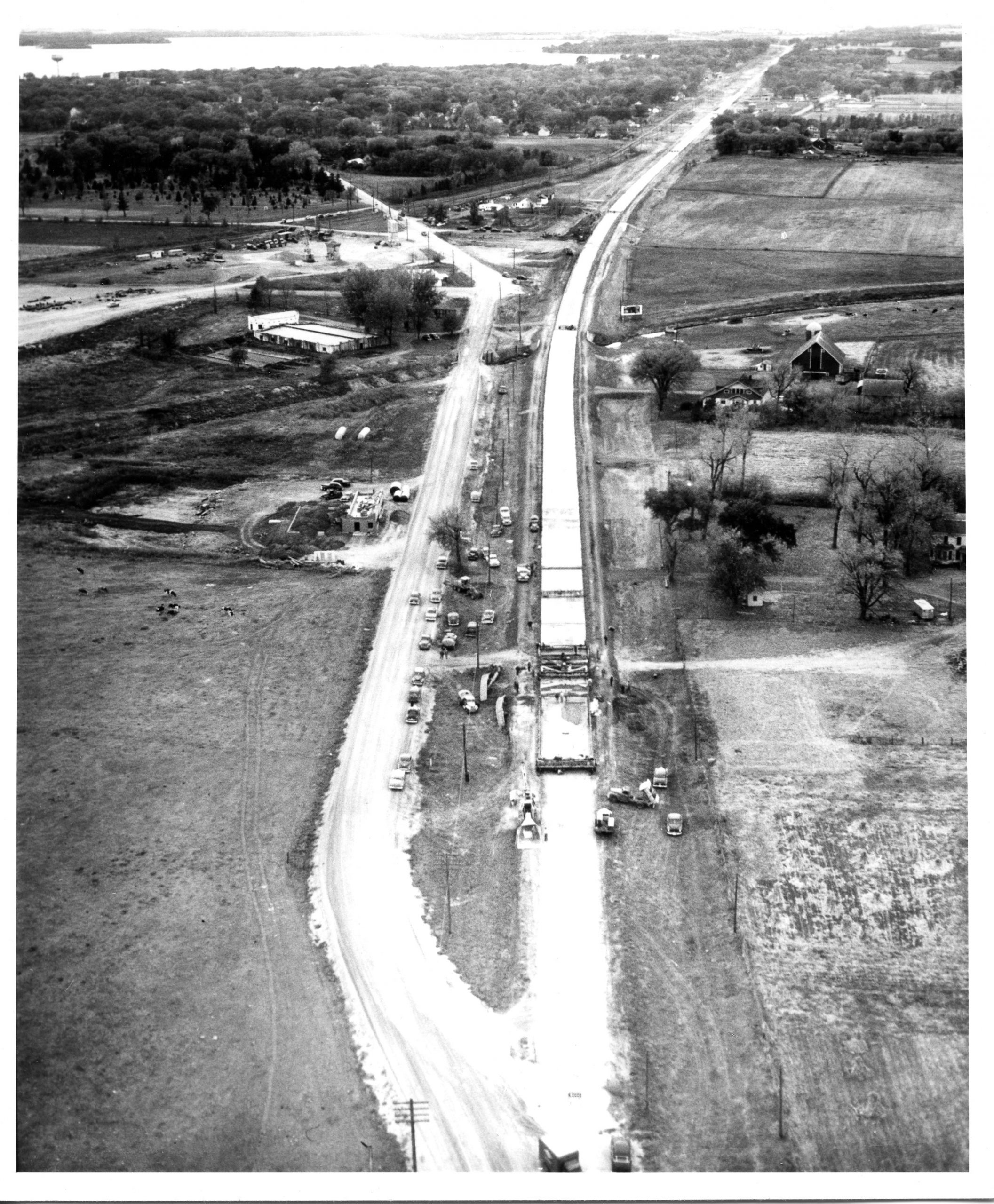
Hwy 18 Relocation