Family Commitment to Clear Lake
They came from the fjords of Norway, the heather-covered hills of Scotland and England and the craggy shores of southwestern Ireland. They, like countless other immigrants, poured across the Atlantic with the dream of a better life for their families.
Some settled in upper New York state, others in Canada. And then the siren call went out to their children with a message of fertile, unsettled land just west of the mighty Mississippi River. They heard about a particularly special place with a shimmering lake, lined with oak tree savannas, prairie and with plentiful game. Their lives’ possessions were packed into the back of the wagon, the horses urged to head out and the wooden wheels slowly creaked westward.
Those who were willing to work hard found plenty of opportunity in Clear Lake. While some planted their feet firmly near the shores of the spring-fed lake, others moved further west after a generation. The story of this family is similar to others in new settlements forming throughout the heartland of this young nation.
Some of this particular family became farmers, another a jack of all trades, others started a lumber business and a telephone company. They had a sense of the possibilities not only for their families, but perhaps more importantly, for the burgeoning lakeshore community. Whether it was to entice others to settle in the Clear Lake area, to ensure advanced communications technology for this community or that the public have access to some of the same natural beauty which attracted people here in the early years, family members were grateful to be stewards for others and part of events which helped shape the character and future of the unique community of Clear Lake.
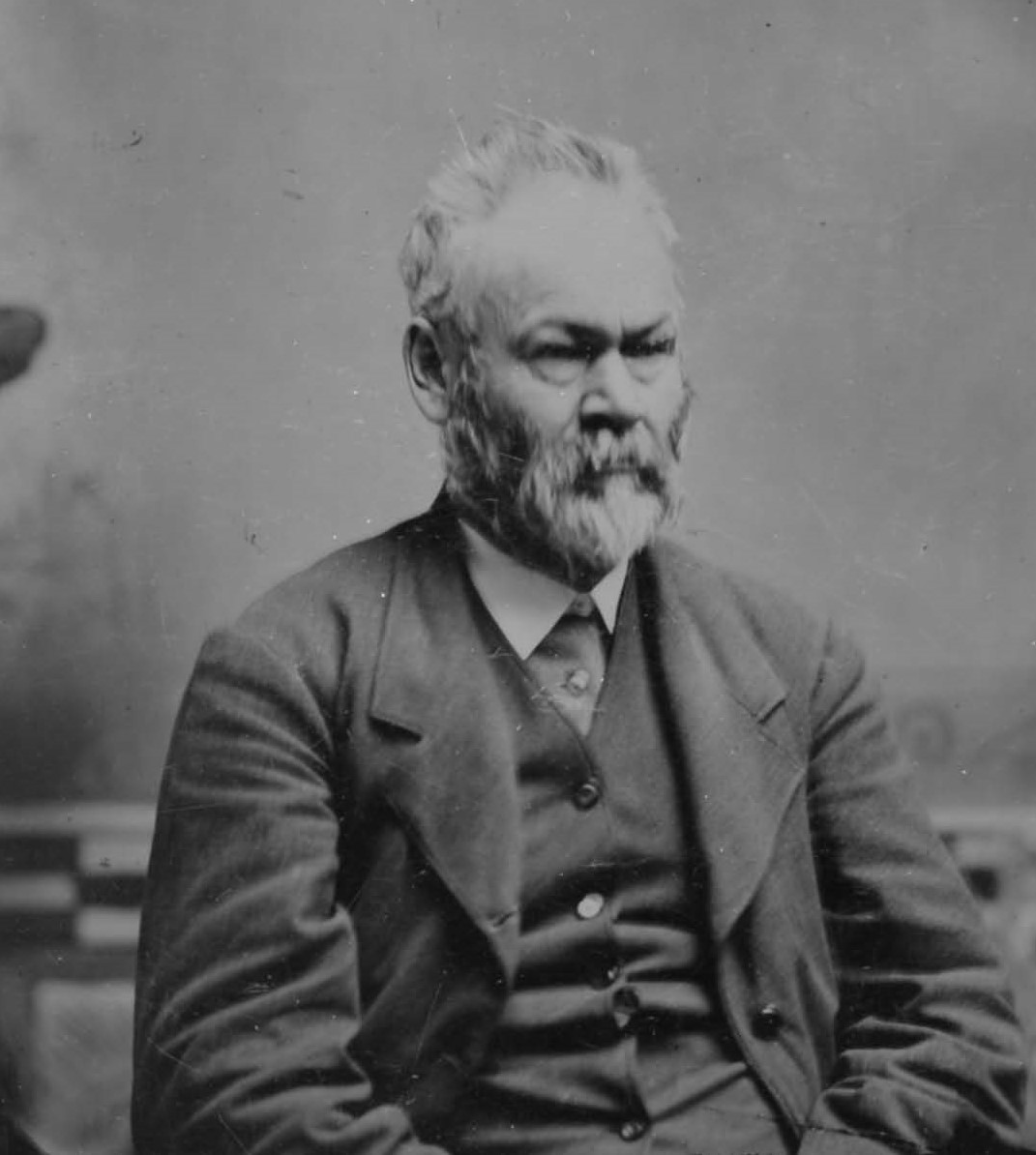
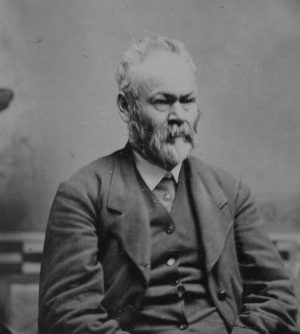 George Frost moved with his family from New York to North Iowa, eventually to Clear Lake in 1860 where he farmed and was appointed Cerro Gordo County surveyor. He became a jack of all trades in this prairie community, including a newspaper publisher, established the Clear Lake Bank, he was Cerro Gordo County judge and county auditor, plus the Clear Lake postmaster. At one time, he owned 2,000 acres in the county, including the land now known as the Lone Tree Point Nature Area. “He is remembered as a man of indomitable mental activity and energetic business habits, which he applied to the progress of the place and the generation in which he lived,” according to the local newspaper.
Forever a promoter of Clear Lake, he traveled in 1876 to the New York City Exhibition (a precursor to the World’s Fair) to display six-feet of rich, black Iowa soil.
His daughter Agnes married Charles Woodford, 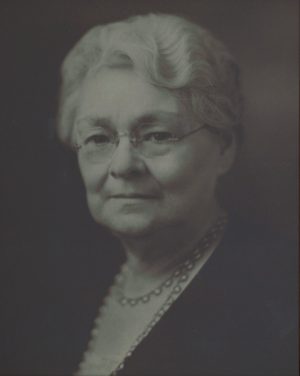 whose family came from upper New York State to help manage Woodford-Wheeler Lumber. The lumber company, which was started in 1869 even before the railroad served this area, is Clear Lake’s oldest business. Charles, his father George and Uncle Win Tompkins “were recognized as thoroughly honest, and fair-dealing capable businessmen,” according to the special Clear Lake Centennial edition published in 1951. “All three had a large circle of friends and all lent a hand in many civic projects.”
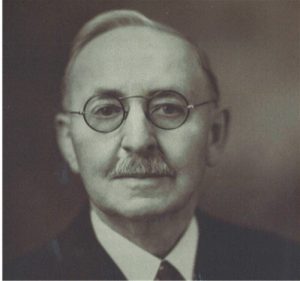 Charles Woodford had “…many interests and was anxious for Clear Lake to have as many advantages as possible for a town its size,” according to the 1951 centennial edition of the Clear Lake Reporter. “He was instrumental in helping the town to have, at an early date, telephones, lights and gas.” He eventually became president of the Clear Lake Independent Telephone Company while also managing Woodford-Wheeler Lumber Company. Clear Lake had phone service within just two years after Alexander Graham Bell patented his new invention on the East Coast. He served on the City Park Board, numerous First Congregational Church boards “and in many other ways, helped advance the welfare of the town.”